World · News Desk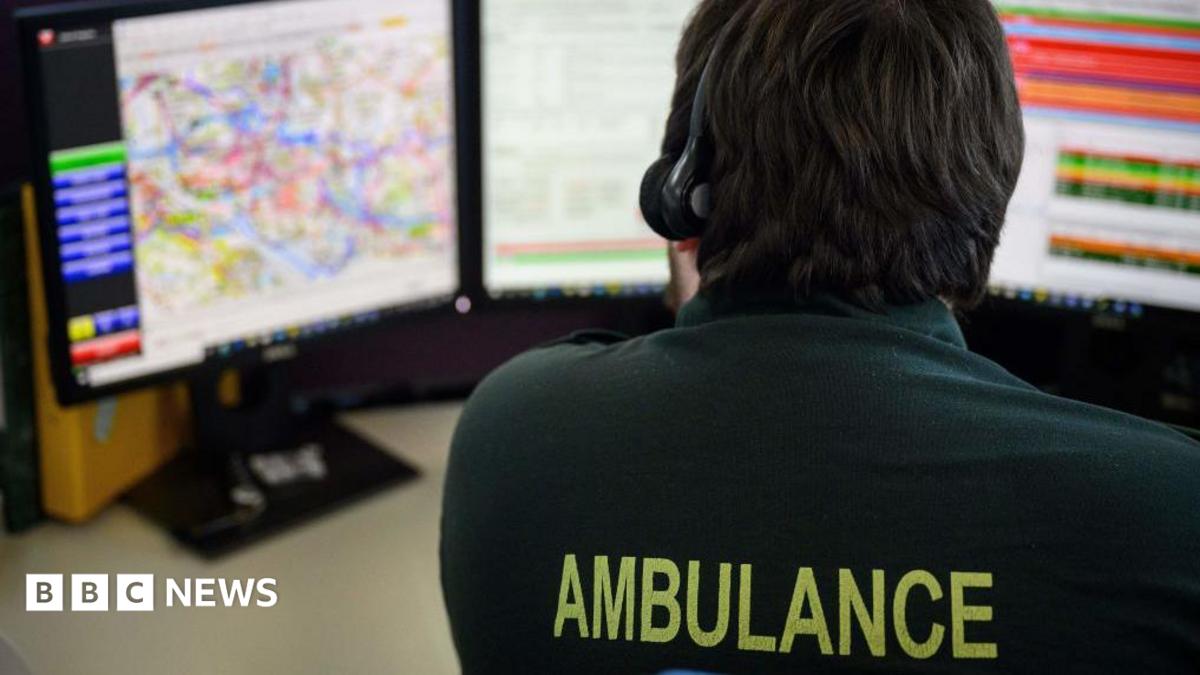
A coroner has raised concerns about emergency call handling after the death of Oliver Shelley, a 17-year-old who died from meningococcal septicaemia in July 2024. His parents had called 999 reporting meningitis symptoms, but an ambulance was not dispatched. Oliver was taken to East Surrey Hospital in Redhill, arriving shortly before 16:00, where he was diagnosed with widespread rash, septic shock, and organ dysfunction, leading to his death seven-and-a-half hours later.
During the 999 call, the handler triaged symptoms but could not prioritize them due to the NHS computer system’s lack of a sepsis pathway. The coroner noted that call handlers struggled to manage multiple sepsis-related symptoms and suggested a dedicated sepsis algorithm would improve response times. Additionally, the coroner raised concerns about the misleading title 'emergency medical advisors' for staff without medical qualifications.
South East Coast Ambulance Service (Secamb) acknowledged learning from the incident and improving systems, including clearer escalation rules and staff training. NHS England confirmed that sepsis and meningitis are addressed in core training, with trained clinicians available to advise call handlers. Secamb’s interim chief nursing officer, Jo Turner, expressed gratitude to Oliver’s family for their cooperation in implementing necessary improvements to systems and processes.
Source: BBC